Time & Style
Traditional Japanese technique evolved for modern daily life.

The house
Modern daily objects, finished with the patience of inherited technique.
-
-
-
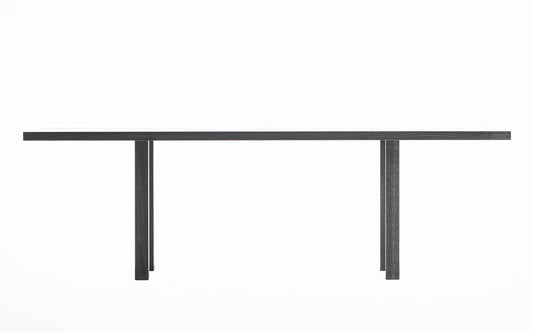
Atelier Zumthor Working Table
Vendor:Time & StyleRegular price AUD 16,700Regular priceAUDSale price AUD 16,700 -
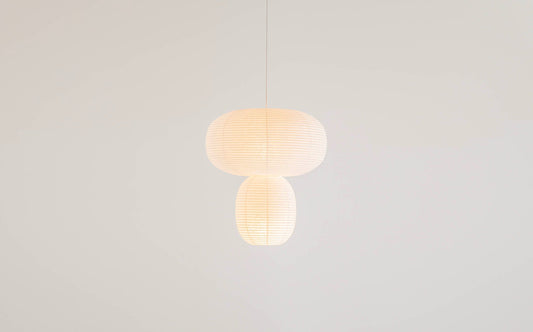
Tourou – Pendant Light
Vendor:Time & StyleRegular price AUD 1,370Regular priceAUDSale price AUD 1,370 -
Taiyo – PTM-31
Vendor:Time & StyleRegular price AUD 4,000Regular priceAUDSale price AUD 4,000 -
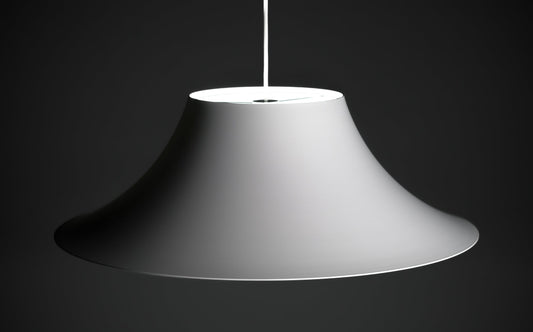
Mt. Fuji Pendant
Vendor:Time & StyleRegular price AUD 4,180Regular priceAUDSale price AUD 4,180 -
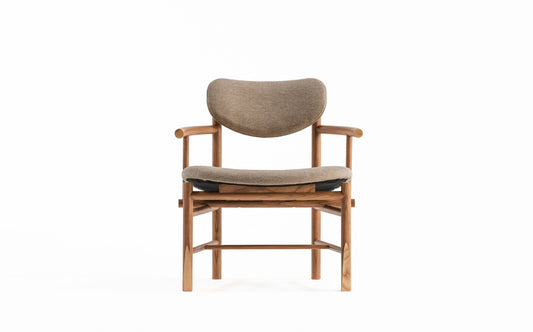
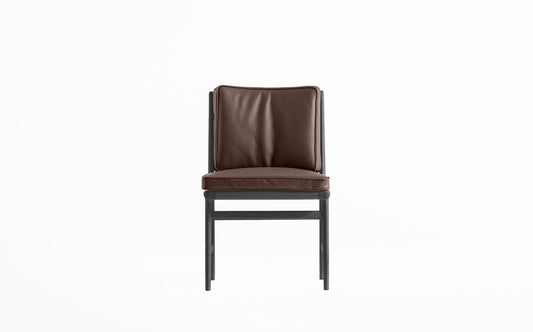
Takenoko Lounge Chair
Vendor:Time & StyleRegular price AUD 3,360Regular priceAUDSale price AUD 3,360 -
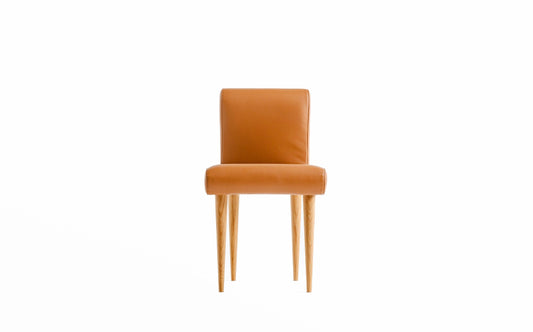
Sheep Chair
Vendor:Time & StyleRegular price AUD 4,360Regular priceAUDSale price AUD 4,360 -
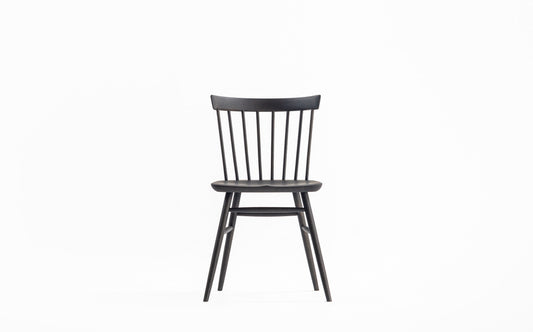
The Sensual Ladder Back Chair
Vendor:Time & StyleRegular price AUD 4,720Regular priceAUDSale price AUD 4,720 -
Fan Back Windsor
Vendor:Time & StyleRegular price AUD 2,000Regular priceAUDSale price AUD 2,000 -
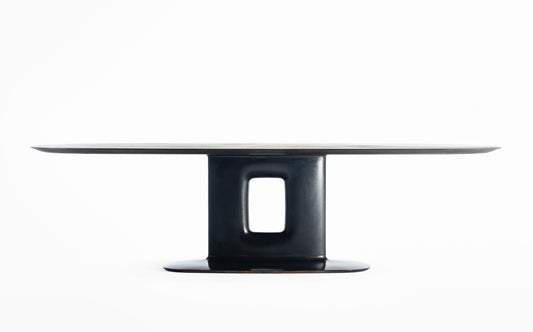
Sculpture Casting Bronze Table
Vendor:Time & StyleRegular price AUD 54,090Regular priceAUDSale price AUD 54,090 -
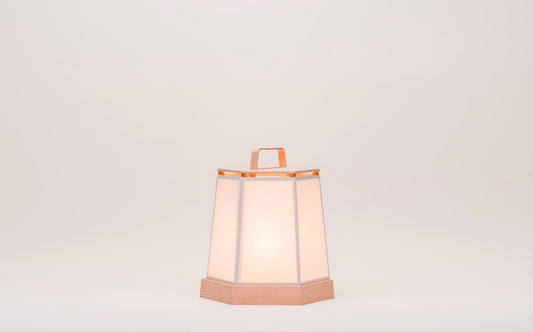
andon – 011
Vendor:Time & StyleRegular price AUD 1,780Regular priceAUDSale price AUD 1,780












A position in the world
Why this house holds attention.
Time & Style has developed an international audience by evolving Japanese craft for contemporary architecture rather than presenting tradition as nostalgia. Its integrated Hokkaido factory, five-storey Amsterdam flagship, Milan presence, Time & Style edition partnership with Boffi | DePadova and long collaborations with Kengo Kuma and Peter Zumthor give the house an unusual position between manufacturer, design publisher and complete interiors culture.
Shop the room
Furniture that keeps the room quiet.
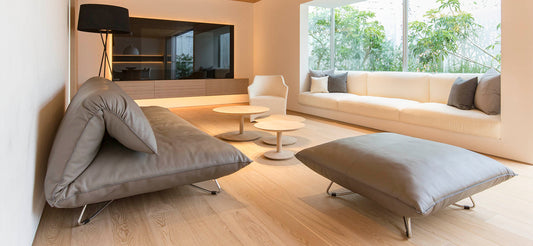
The MA Sofa uses a low profile, generous planes and carefully controlled softness to hold the room without dominating it.


Select a point to see the piece. Only products currently visible in this collection are linked.


Selected by Objena
Why this house, here.
Our editorial position, separated clearly from the house’s official record.
Objena follows Time & Style because the work rewards slow attention and supports quiet Australian interiors without disappearing into generic minimalism. The factory record makes production and material decisions unusually legible, while the Amsterdam and Milan environments show how furniture, light and daily objects can be presented as one accountable house. Objena is seeking a relationship but does not claim appointment or Australian availability before written agreement.
Look at transitions: edge thickness, timber selection, joinery, upholstery tension and the point where a machine process returns to the hand. Then look outward: Kengo Kuma's furniture changes the interval between body and room, while Peter Zumthor's objects retain the architectural situations that first made them necessary.
Material record
- 01 Prestige Japan was established in 1992 and develops the Time & Style brand across furniture, lighting, tableware, textiles and daily objects.
- 02 The Higashikawa factory carries out processes from log purchasing, sawing and drying through assembly, upholstery, polishing and finishing.
- 03 Time & Style describes an approximately thirty-person factory team and a small-lot, build-to-order system that supports detailed dimensions and finish variations.
- 04 The collaboration with Kengo Kuma began around the 2009-2010 Nezu Museum project and has extended across more than thirty architectural projects according to Time & Style's published record.
- 05 The Peter Zumthor collection, announced in 2022, reconstructs furniture developed across approximately fifty years of architectural work.
- 06 Time & Style opened its five-storey Amsterdam flagship in a protected 1888 building in 2017.
- 07 The Time & Style edition partnership with Boffi | DePadova places Japanese solid-wood furniture and washi lighting within an international interior system.
Selected chronology
- 1992 Prestige Japan is established.
- 1997 The first Time & Style Home showroom opens in Tokyo.
- 1999 Time & Style exhibits at Salone Internazionale del Mobile in Milan and ICFF in New York.
- 2008 Time & Style Factory is established in Higashikawa, Hokkaido, within the Asahikawa furniture-making region.
- 2009-2010 The Nezu Museum cafe project begins Time & Style's long collaboration with Kengo Kuma; the NC Chair becomes its first furniture result.
- 2017 Time & Style Amsterdam opens across five floors of a protected 1888 building on Marnixstraat.
- 2019 The Amsterdam flagship presents Kengo Kuma: Furniture that blended into the surroundings.
- 2020 Time & Style announces its partnership with Boffi | DePadova and establishes an in-house woodworking technology research institute.
- 2022 The Peter Zumthor collection is introduced internationally and Time & Style Milan opens in Brera.
Objena journal
Continue the story.

Time & Style — from log to lacquer under one roof
House 02 — Tokyo, with its own factory in Higashikawa, Hokkaido. Traditional Japanese technique, evolved for modern life.
Read the full journal →Official record
Questions, answered at source.
Each answer is distilled from the house’s own published material. Follow the source beneath every answer for the full context.
01 What makes Time & Style more than a furniture brand?
Time & Style is a brand of Prestige Japan creating furniture, lighting, tableware, towels and other tools for daily life. Its showrooms present those categories as complete environments, while the stated design concept is to evolve Japanese techniques for modern living rather than reproduce tradition as decoration.
Official source · Time & Style about02 Where and how is Time & Style furniture made?
Furniture is made at the Time & Style Factory in Higashikawa, within the Asahikawa furniture-making region of Hokkaido. The integrated operation covers log purchasing, sawing, drying, cutting, assembly, upholstery, polishing and finishing, using machinery for repeatable accuracy and handwork where material judgement matters.
Official source · Time & Style factory03 How does Time & Style work with architects?
Time & Style has manufactured furniture developed with architects for specific buildings and then, where appropriate, reconstructed selected pieces for wider production. Its Kengo Kuma collaboration began around the Nezu Museum project, while the Peter Zumthor collection gathers furniture developed across roughly fifty years of architectural work.
Official source · Time & Style architect collections